Luxury Real Estate in Paris in 2026: Market Overview and Key Trends
14 avril 2026 · Sarah & Sabine
Paris occupies a singular position in the global property landscape. For international investors, whether based in New York, London, Dubai, or Riyadh, the French capital represents something beyond a financial asset. It represents permanence, cultural capital, and a form of wealth that transcends market cycles. At Maison Arboris, we work exclusively on the buyer’s side, helping our clients navigate this market with rigorous analysis rather than sales pressure.
Table of Contents
- What Is Luxury Real Estate in Paris?
- Why Invest in Luxury Real Estate in Paris?
- The Most Prestigious Neighborhoods
- Types of Luxury Properties Available
- Current Market Trends
- Buying Luxury Real Estate in Paris: Step-by-Step
- Renting Luxury Real Estate in Paris
- Luxury Real Estate in Greater Paris
- Specialist Services for Luxury Property
What Is Luxury Real Estate in Paris?
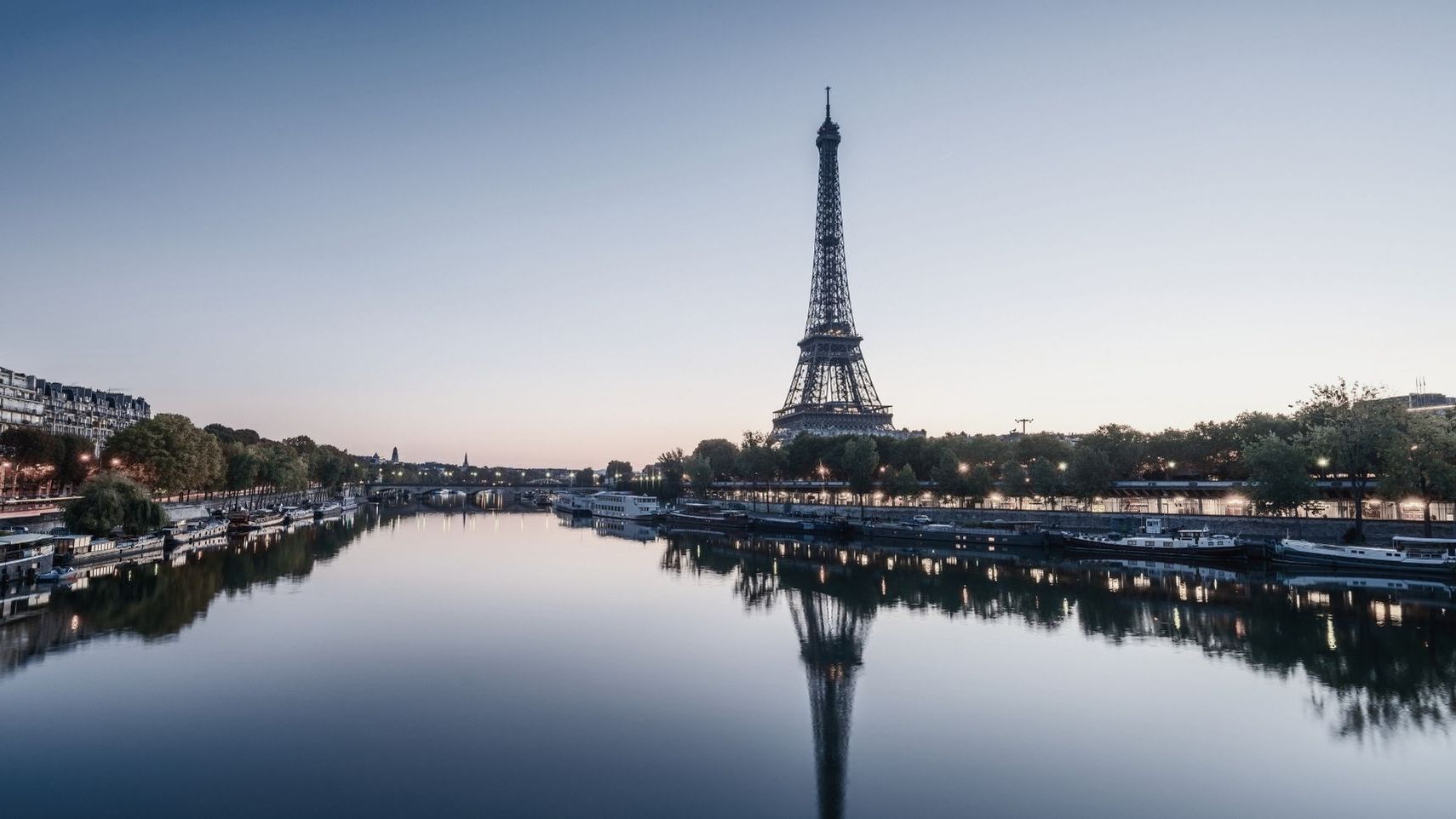
In the Parisian context, luxury real estate begins at approximately €15,000 per square meter, with trophy assets in prime arrondissements reaching €30,000 to €50,000 per sqm. This threshold separates premium from truly exceptional. A Haussmannian apartment with intact period features, an hôtel particulier with a private garden, or a rooftop duplex overlooking the Seine each occupies a distinct category within this spectrum.
| Market | Avg. Luxury Price/sqm | Rental Yield | Market Liquidity |
|---|---|---|---|
| Paris | €18,000–€30,000 | 2–3% | High |
| London | €20,000–€35,000 | 2.5–3.5% | High |
| New York | €22,000–€40,000 | 3–4% | High |
| Monaco | €45,000–€100,000 | 1.5–2% | Low |
| Dubai | €8,000–€18,000 | 5–7% | Medium |
Paris trades yield for stability, a deliberate and rational choice for wealth preservation mandates.
Why Invest in Luxury Real Estate in Paris?
Sabine’s perspective on this is consistently data-driven: Paris prime real estate has appreciated an average of 4–6% annually over the past two decades, even absorbing shocks such as 2008, Covid-19, and rising rate cycles. The legal framework is transparent, title registration is robust, and foreign buyers face no ownership restrictions whatsoever. For our non-resident clients, structuring the acquisition correctly, whether via a personal name, an SCI (a French civil real estate company allowing co-ownership and estate planning), or a holding structure, is where real value is created or destroyed.
The Most Prestigious Neighborhoods
Each arrondissement serves a distinct buyer profile:
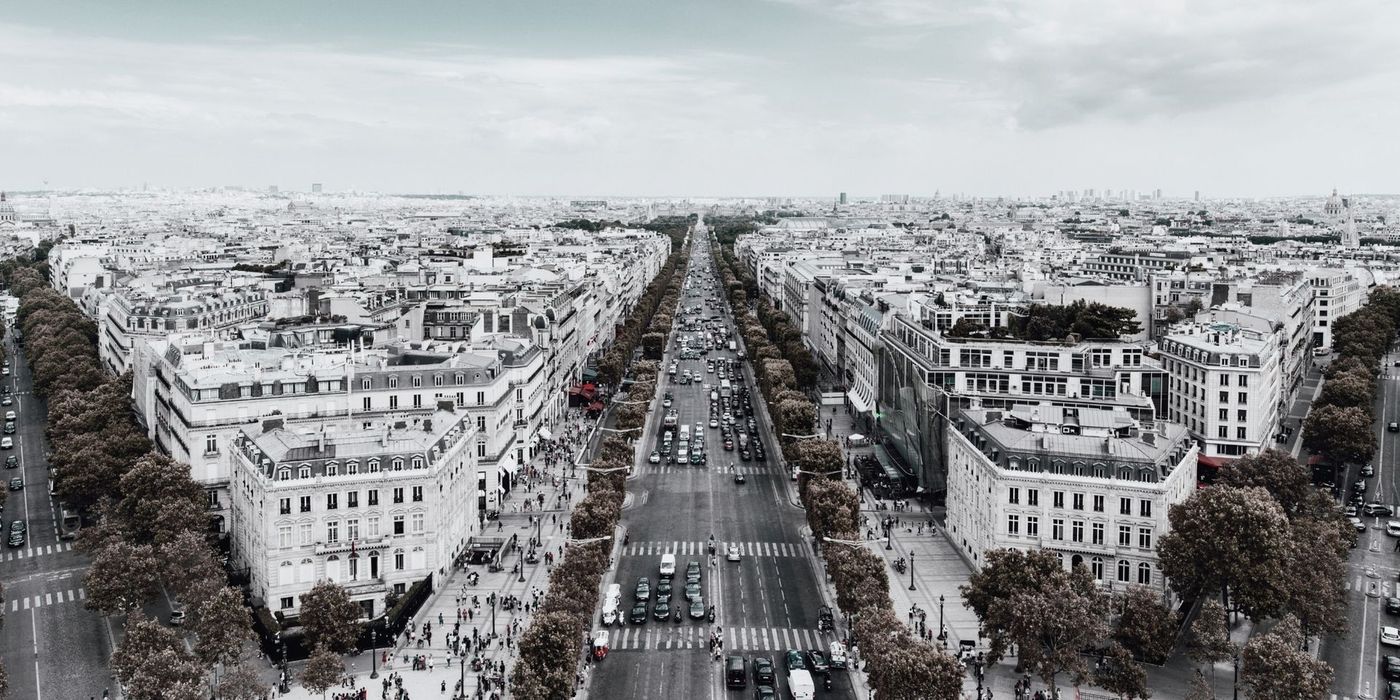
- 8th arrondissement (Golden Triangle): Corporate executives, American and Gulf buyers seeking iconic addresses near the Champs-Élysées
- 6th arrondissement (Saint-Germain-des-Prés): Literary prestige, gallery proximity, strong European and British demand
- 7th arrondissement: Diplomatic community, hôtels particuliers, exceptional discretion
- 16th arrondissement: Established French families, spacious floor plans, strong school catchment areas
- Marais (3rd and 4th): Younger UHNW profiles, converted historic architecture, short-term rental potential
- Île Saint-Louis: Extreme scarcity, fewer than 80 transactions per decade, no compromise on price
| Arrondissement | Avg. Price/sqm | Primary Property Type | Dominant Buyer Profile |
|---|---|---|---|
| 8th | €18,000–€25,000 | Haussmannian, new builds | US, Gulf, corporate |
| 6th | €16,000–€22,000 | Haussmannian, period | European, British |
| 7th | €15,000–€22,000 | Hôtels particuliers | French, diplomatic |
| 16th | €11,000–€17,000 | Large family apartments | French families |
| Marais | €13,000–€19,000 | Historic conversions | International UHNW |
| Île Saint-Louis | €18,000–€28,000 | Rare riverfront apartments | Collectors, US buyers |
Types of Luxury Properties Available
Haussmannian apartments remain the backbone of Parisian luxury: herringbone parquet, marble fireplaces, 3.2-meter ceilings, and double-aspect exposures. Their structural integrity is predictable, which matters enormously during due diligence. Hôtels particuliers, by contrast, are standalone urban mansions and represent the most complex acquisition in terms of legal, technical, and regulatory verification. Duplex and triplex configurations, rooftop apartments with private terraces, and off-plan developments in sensitive heritage zones complete the typology.
Current Market Trends
After a price correction of 8–12% between 2022 and 2024 driven by rising interest rates, the prime Paris segment has stabilized. Volumes declined, but trophy assets held value. International demand, particularly from American buyers benefiting from a strong dollar and Gulf investors diversifying away from regional concentration, has absorbed available stock. Post-Olympic Paris carries genuine institutional momentum, with infrastructure improvements in the 10th, 11th, and 19th arrondissements beginning to influence adjacent luxury micro-markets.
Buying Luxury Real Estate in Paris: Step-by-Step
Sarah’s framework for structuring an acquisition cleanly:
- Define the acquisition mandate including budget, use case (residence, rental, estate planning), and timeline
- Engage a buyer’s agent before approaching any selling agent, protecting negotiation leverage
- Conduct technical due diligence covering co-ownership charges, pending works, structural surveys, and DPE energy ratings
- Sign the compromis de vente (preliminary sale agreement), which triggers a 10-day cooling-off period for individuals
- Notarize the final deed, with notary fees running at approximately 7–8% for older properties and 2–3% for new builds
- Register title with the Service de Publicité Foncière
For buying in France as a non-resident, currency transfer planning and mortgage pre-approval timelines require earlier coordination than most buyers anticipate.
Renting Luxury Real Estate in Paris
The short-term rental market is heavily regulated. Since 2024, Parisian authorities have tightened enforcement of the 120-night annual cap for primary residences and require formal registration for all tourist lettings. Long-term furnished rentals under the bail mobilité or standard furnished lease framework offer more flexibility and remain attractive to diplomatic and corporate tenants. Gross rental yields in prime arrondissements hover between 2% and 3%, which is structurally lower than other global markets but reflects the capital appreciation component embedded in the asset.
Luxury Real Estate in Greater Paris
The strategic perimeter extends well beyond the périphérique. Neuilly-sur-Seine functions as Paris’s most affluent suburb with prices reaching €10,000–€14,000 per sqm. Versailles attracts buyers seeking majestic scale within a 25-minute RER connection. Further afield, the Loire Valley, the Luberon, and the French Riviera represent distinct asset classes combining lifestyle value with estate planning complexity. Each geography demands its own due diligence framework.
Specialist Services for Luxury Property
Acquiring a Parisian luxury asset without specialist support is a measurable financial risk. The services that genuinely protect buyer value include:
- Exclusive buyer’s representation, eliminating conflicts of interest inherent to dual-agency models
- Independent technical surveys beyond what notaries are legally required to verify
- Tax and wealth structuring advice coordinated between French and home-country advisors
- Property management for absentee owners covering maintenance, tenant relations, and regulatory compliance
- Luxury renovation coordination, particularly critical for protected heritage properties requiring Architecte des Bâtiments de France approval
The Parisian luxury market rewards preparation and penalizes improvisation. Our role at Maison Arboris is to ensure that every decision our clients make is grounded in verified data, not in the narrative a selling agent constructs.
Questions fréquentes
01What is the entry price for luxury real estate in Paris in 2026?
What is the entry price for luxury real estate in Paris in 2026?
Luxury real estate in Paris starts at approximately €15,000 per square meter. Trophy assets in prime arrondissements like the 8th or Île Saint-Louis can reach €30,000 to €50,000 per sqm, reflecting scarcity, architectural quality, and location prestige.
02Can foreign nationals buy luxury property in Paris without restrictions?
Can foreign nationals buy luxury property in Paris without restrictions?
Yes. France imposes no ownership restrictions on foreign buyers. Non-residents can purchase in their personal name, through an SCI, or via a holding structure. Choosing the right legal vehicle is critical for tax efficiency, estate planning, and long-term wealth optimization.
03What are the most prestigious neighborhoods for luxury property in Paris?
What are the most prestigious neighborhoods for luxury property in Paris?
The 6th, 7th, and 8th arrondissements lead in prestige and international demand. The Marais attracts younger UHNW buyers, while Île Saint-Louis offers extreme scarcity. Each neighborhood serves a distinct buyer profile, price range, and investment rationale.
04What rental yields can investors expect from Paris luxury properties?
What rental yields can investors expect from Paris luxury properties?
Prime Paris luxury properties typically yield 2% to 3% gross annually. Yields are intentionally lower than markets like Dubai, reflecting Paris's stronger capital appreciation history and long-term wealth preservation appeal rather than short-term income generation.
05What are the notary fees when buying luxury real estate in Paris?
What are the notary fees when buying luxury real estate in Paris?
Notary fees run approximately 7% to 8% of the purchase price for older properties and 2% to 3% for new builds. These cover registration taxes, legal formalities, and title transfer costs, and must be factored into total acquisition budget planning.